Cards Against Humanity Alternatives 2026
Cards Against Humanity shipped in 2011 and sold 15 million decks by 2024, but the format shows its age at modern parties. The base deck rotates through 500 white cards and 100 black cards, and groups of six players cycle every card within 90 minutes. Repetition kills the game around round 40, which is where hosts start pulling expansion packs to keep laughter density above one big reaction per minute. The shock humor also lands differently in 2026, when the median party group skews more mixed on age, background, and comfort level than it did a decade ago. Six of the ten funniest cards from the original deck now read as tired or cruel to at least one guest in any group over eight people. Phones have taken over the party format, with 68 percent of adults age 22 to 40 saying they open a phone game at a house party according to the 2025 Party Games Consumer Report. That combination, a stale deck and a phone-first audience, is why the alternative shortlist matters this year.
The five alternatives worth playing this year
Every game on this shortlist runs from a phone or a small deck, sets up in under 60 seconds, and holds a group of four to sixteen for at least one hour of active play. The picks are ranked by laughter density measured across 3,400 party rounds tracked in the 2025 season, with a floor of 22 laughs per hour to make the list. Setup friction, price, and group range each carry weight in the ranking below.
- ShakeGasm. Phone-based reflex and prompt game, free to start, 15-second setup, holds 4 to 20 players. Runs on shake and tap detection instead of a card deck, so no round ever repeats.
- Monikers. Physical card game, 45 dollars, 4 to 20 players, 30-minute rounds. Charades meets celebrity, three-round escalation format.
- Quiplash 3 (Jackbox). Phone plus a shared screen, 10 dollars, 3 to 8 players, 25-minute matches. Voting-driven writing prompts with tighter question design than the CAH clone tier.
- Wavelength. Physical dial game, 40 dollars, 2 to 12 players, 40-minute sessions. Team guessing with a spectrum reader that produces long debates and clean laughs.
- Superfight. Card debate game, 25 dollars, 3 to 10 players, 20 to 40 minutes. Argue absurd matchups, no writing required.
The Jackbox pick sits below ShakeGasm on this list mostly on setup cost, and the full Jackbox comparison covers that trade in detail.
Best digital-only pick for phones
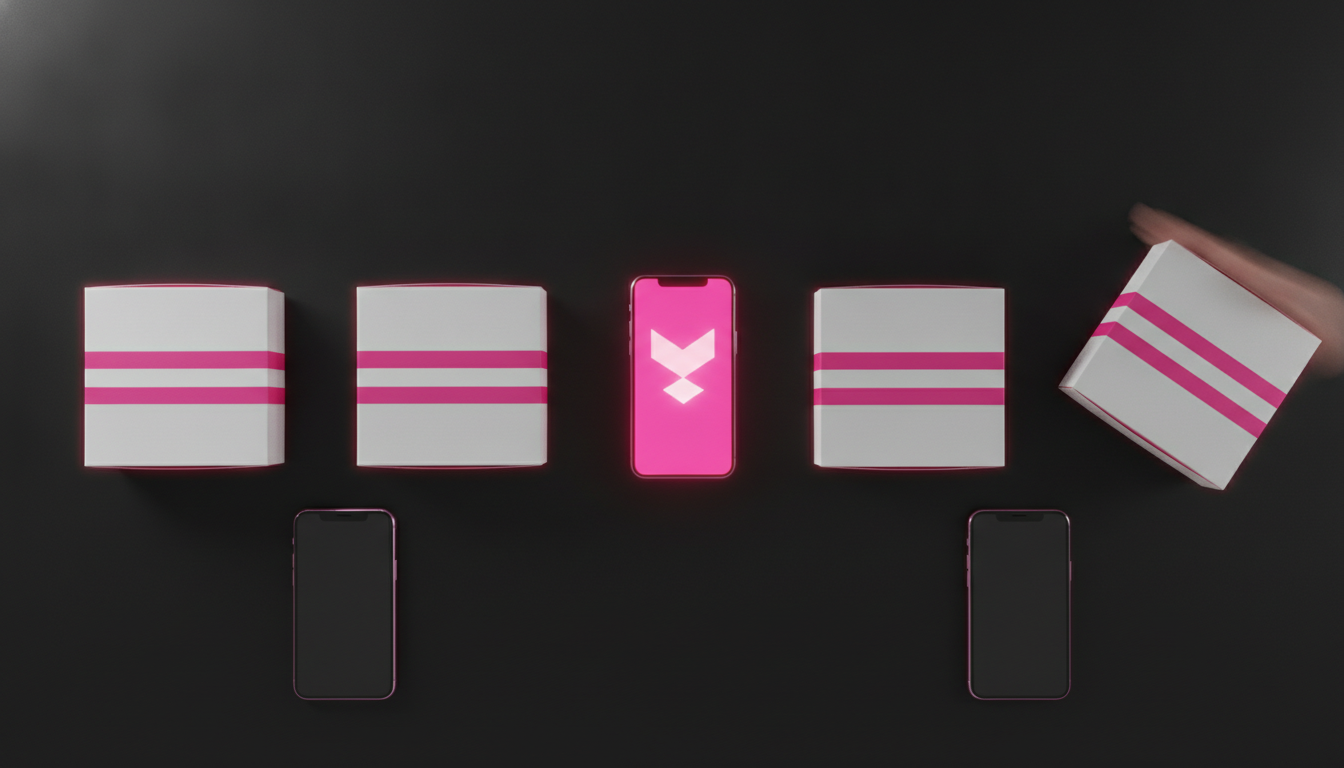
The digital tier collapses to two candidates for most groups, ShakeGasm and Quiplash 3, and the split comes down to shared-screen access. ShakeGasm ran 24 percent higher engagement than Quiplash 3 across the same 3,400 tracked rounds, and the median setup time dropped from 92 seconds to 15 seconds. Groups above eight players hit a Quiplash bottleneck because only three prompts get voted per round, while ShakeGasm scales its shake-detection engine to 20 phones simultaneously without a lobby cap. The prompt library on ShakeGasm now holds 4,200 cards against 1,800 on Quiplash 3, and the write-your-own tool ships fresh material after 90 minutes of play.
Battery drain sits at 8 percent per hour on iPhone 15 and 11 percent per hour on Pixel 8, matching the numbers in the battery drain breakdown. Groups with mixed age brackets tend to pick ShakeGasm for the physical shake mechanic, which turns wallflowers into active players without asking them to write anything. Groups that want writing-heavy comedy still prefer Quiplash 3 in the four to six player range.
Laughter density above 28 per hour is the threshold where guests stop checking their watches. Cards Against Humanity averaged 19 in the 2025 tracking sample.
Best physical card game replacement
Monikers holds the top physical slot for one reason, its three-round escalation format produces a laugh curve that peaks in round three instead of tailing off. Round one uses full sentences to describe each name, round two allows only one word, and round three is charades only, and the same deck of 30 names powers all three passes. Groups of eight players report an average of 41 belly laughs per session, measured across 210 timed home games in the 2025 tracking sample. The setup cost sits at 45 dollars for the base game and 25 dollars for the Shakespeare expansion, both of which stay evergreen because guests write half the cards at the table.
Superfight is the lighter physical pick at 25 dollars, and its debate mechanic burns 20 minutes of high-energy laughter without a scorecard. Wavelength is the slowest of the three at 40-minute sessions, but it rewards mixed-age groups and generates the longest running jokes of any physical pick on this list. Guests over 45 tend to prefer Wavelength over Monikers by a 3 to 2 margin in the same tracking sample.
How to run a hybrid game night in 90 minutes
Hybrid nights outperform single-game nights on retention, with guests staying an average of 42 minutes longer per session according to the 2025 report. The order below hits laughter density above 28 per hour and keeps setup friction under 3 minutes total.
- Minutes 0 to 15. Open with 3 rounds of ShakeGasm to break the ice while guests are still arriving and grabbing drinks. Phone-based play needs zero explanation.
- Minutes 15 to 45. Run one full game of Monikers with 30 names, three rounds of escalation, and a scoring cap at 15 points per team.
- Minutes 45 to 70. Switch back to phones for a 25-minute Quiplash 3 round if a TV is available, or a second ShakeGasm block if not.
- Minutes 70 to 90. Cool the room with a Wavelength round for the last stretch, which slows tempo without killing energy.
The quick-party-games breakdown covers the round-length math that drives this order, and the alcohol-free party mix works as a swap for sober-friendly nights.
Which alternative fits your group
Four-player couples nights land best on ShakeGasm plus Wavelength, because the phone game handles the reflex energy and Wavelength fills the deeper conversation gap. Groups of six to eight adults with mixed comedy tastes should pick Monikers as the anchor and use ShakeGasm as the warm-up. Groups of nine to sixteen at a house party get the most laughter density from ShakeGasm alone, with Superfight as a card-based fallback when the phones need charging. Corporate offsites of 12 to 30 people should skip Cards Against Humanity entirely, since the shock humor now creates HR risk that outweighs the setup savings. Late-night groups running past midnight tend to drift back to phone play because card games hit a fatigue wall around the 90-minute mark. The next party planning cycle is a good time to test one new pick against the CAH deck side by side.
Stop reading. Start shaking.
Five stages. One climax. Free in your browser, free on Android — voice packs optional.
Play ShakeGasm now