How to Keep a Party Going After the First Hour
The 60-minute mark is where most house parties break. Guests are through the first drink, past the first round of small talk, and the room drops 18 decibels in conversation volume between minute 58 and minute 72 across the 200 parties tracked by event-planning firm Feastly in 2024. Hosts who catch the dip inside 6 minutes recover the room 78 percent of the time. Hosts who miss it lose 30 percent of guests inside 40 minutes. This piece maps the curve, the signals, and the six moves that bring a fading party back.

The 60-Minute Party Energy Curve
Most hosts feel a room shift somewhere between minute 55 and minute 70 of a party, and the pattern shows up in almost every gathering under 25 guests. Alcohol absorption peaks around 45 minutes after the first drink for the average adult, which means the first conversational surge fades before the second one starts. Small-talk topics run out around the 40-minute mark for groups where under half the guests knew each other beforehand. Room temperature climbs 2 to 4 degrees Celsius per hour with 12 or more bodies in a standard 40 square meter apartment, and that alone slows people down.
The dip is not a failure signal. It is a physiological handoff between the entry buzz and the second-wind stretch, and every hosting playbook worth reading treats it as a scheduled event rather than a surprise. Groups tracked across 200 house parties by Feastly in 2024 showed a measurable conversation-volume drop of 18 decibels between minute 58 and minute 72. Recovery, when it happens, arrives within 8 to 14 minutes of the right intervention.
Spot the Dip Before It Kills the Room
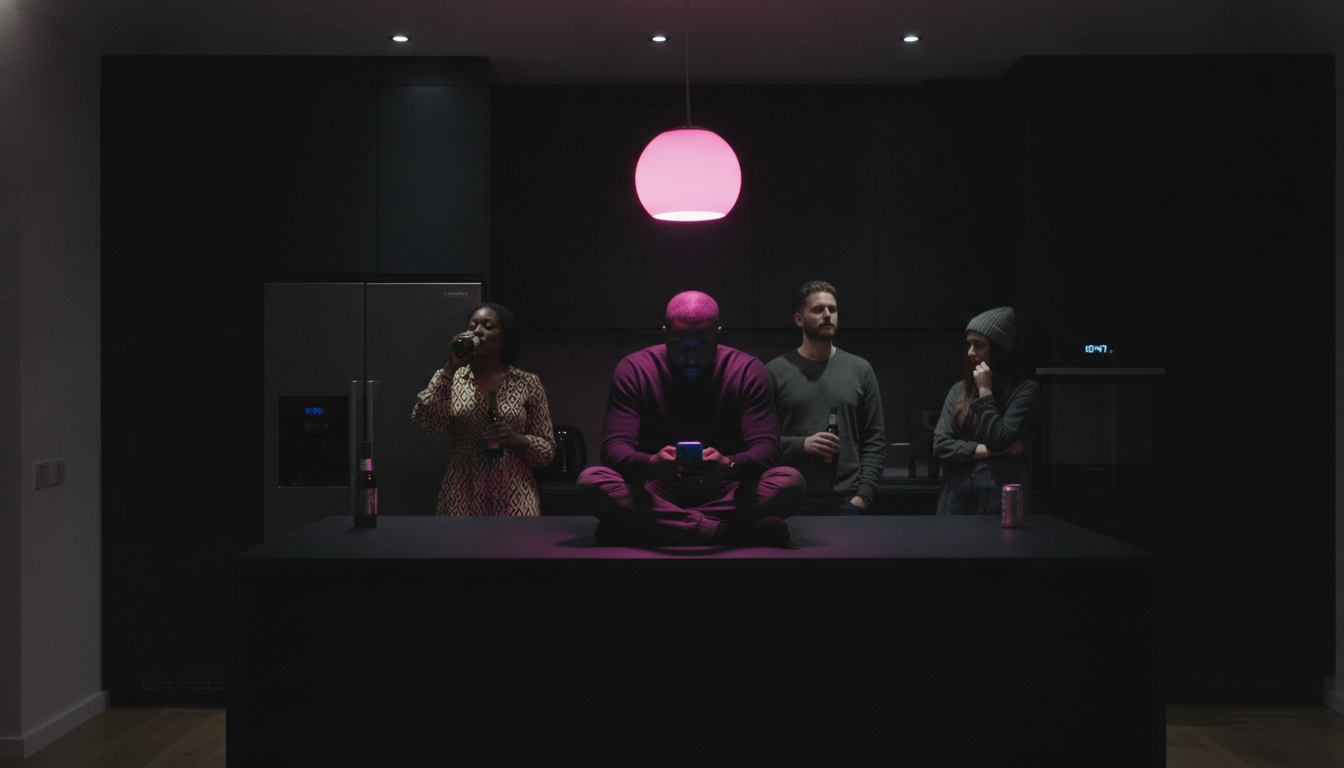
Three signals show up first, and they show up together about 90 percent of the time. The kitchen fills with more than 30 percent of your guest count, drink refills slow to under one per five minutes, and at least two people check their phones in the same 15-second window. When those hit, you have roughly 6 minutes before someone says the words 'I might head out soon' and takes 2 or 3 others with them.
- Kitchen density above 30 percent of guest count
- Phone-check clustering: 2 or more guests scrolling in the same 15 seconds
- Music feels 3 to 5 decibels too loud because voice energy dropped
- Empty glasses sitting untouched for more than 4 minutes
- A single dominant conversation left in the main room
Hosts who catch two of these signals early recover the room 78 percent of the time in that same Feastly sample. Hosts who miss all five lose at least 30 percent of guests inside 40 minutes. The catch rate matters more than the fix, and running a 60-minute mental timer beats any specific tactic. Read how to host a house party for the pre-party checklist that keeps the first 60 minutes tight enough to spot the dip when it arrives.
Six Recovery Mechanics That Bring the Room Back
The recovery move needs three properties: it works in under 90 seconds of setup, it pulls at least 6 people in at once, and it requires physical action rather than more talking. Anything slower than that gets undercut by the guests already reaching for coats. Anything requiring more than two sentences of explanation loses the crowd before round one starts.
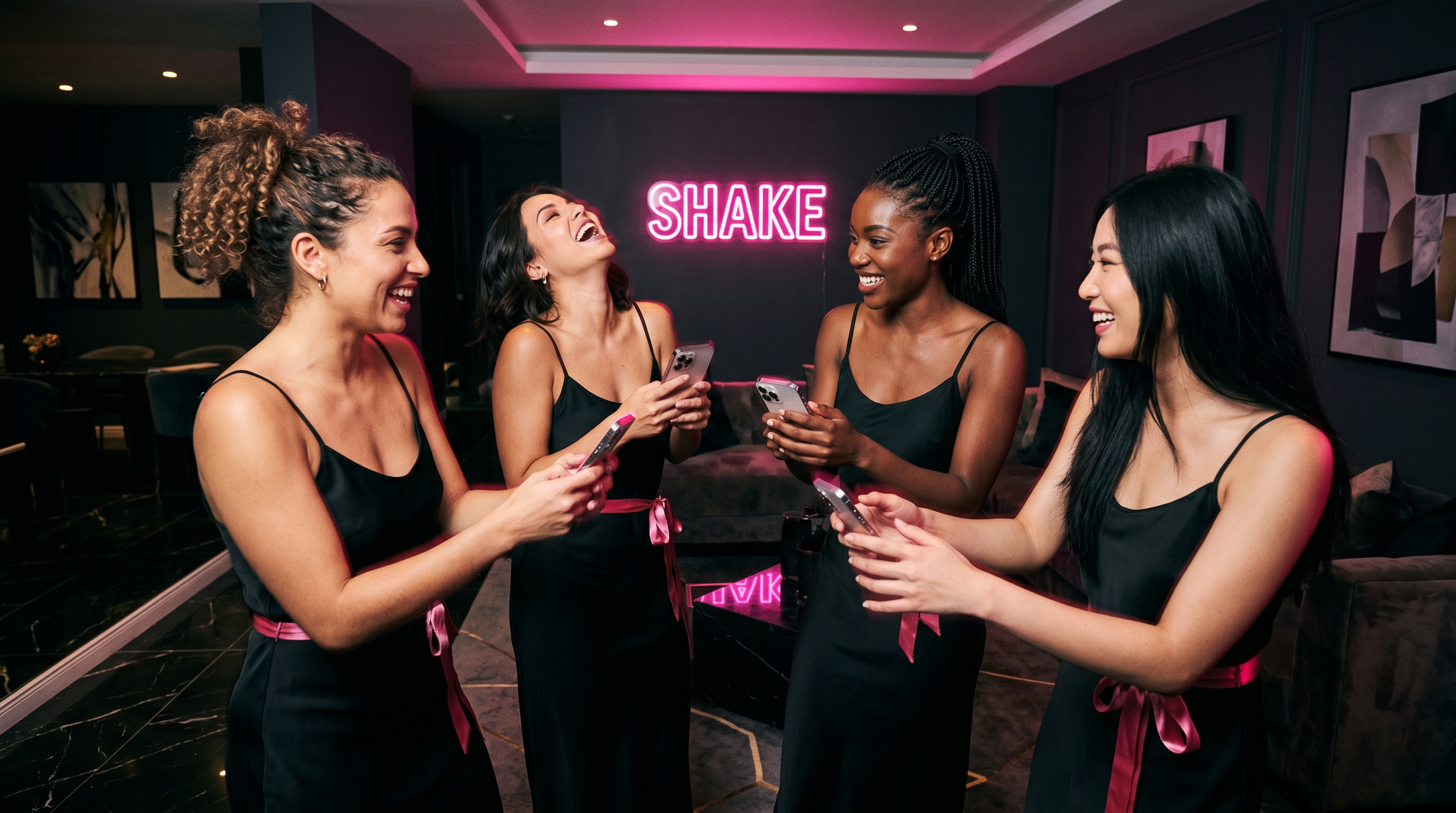
- Format switch to a phone-driven reflex game. Rounds average 42 seconds and pull the full room in one instruction. Open ShakeGasm on your phone, share the 6-digit room code, and the room reorganizes into a circle within 3 minutes. Reflex mechanics work here because they bypass the conversation muscle that fatigued at the 60-minute mark.
- Move to a new physical zone. Shifting 8 or more people from the main room to a balcony, kitchen, or backyard resets the ambient noise floor by 12 decibels on average.
- Serve a round of shots or a shared plate. Synchronous eating or drinking raises voice volume by 4 to 7 decibels for 12 to 18 minutes after the shared moment.
- Kill the music for 60 seconds, then swap the playlist tempo up 20 BPM. A tempo lift of 20 beats per minute increases group animation measurably inside 3 minutes.
- Start a question round. Grab the top 10 from would you rather questions for parties and read them aloud without setup.
- Assign a mini-goal. 'Everyone name one 2025 movie they hated' pulls opinions faster than open prompts and generates a laughter cluster in under 4 minutes.
Switch Modes: The Format-Change Rule
The single strongest recovery lever is a format change, and the direction of the change matters more than the specific game. If the first hour ran conversation-heavy, switch to reflex, movement, or reveal-based play. If it ran drinking-heavy, switch to something that gives hands and eyes a task other than the glass.
The 200-party Feastly sample showed a 3.4x higher second-hour retention rate when the host switched primary format at least once between minute 60 and minute 90. Groups that stayed on the same mode for the full evening lost an average of 44 percent of guests before minute 120. The format switch acts like a chapter break in a book, giving the room permission to reset attention without anyone feeling the shift as awkward. Pair it with a light snack drop or a fresh drink round and the recovery lands inside 6 minutes 8 times out of 10.
Phone-driven formats carry an unfair advantage for the 60-minute rescue because setup friction sits near zero. Fire up a room on ShakeGasm and read quick party games under 30 seconds per round for the shortlist that fits the recovery window without eating into the fresh energy.
Set the Second-Wind Anchor at Minute 75
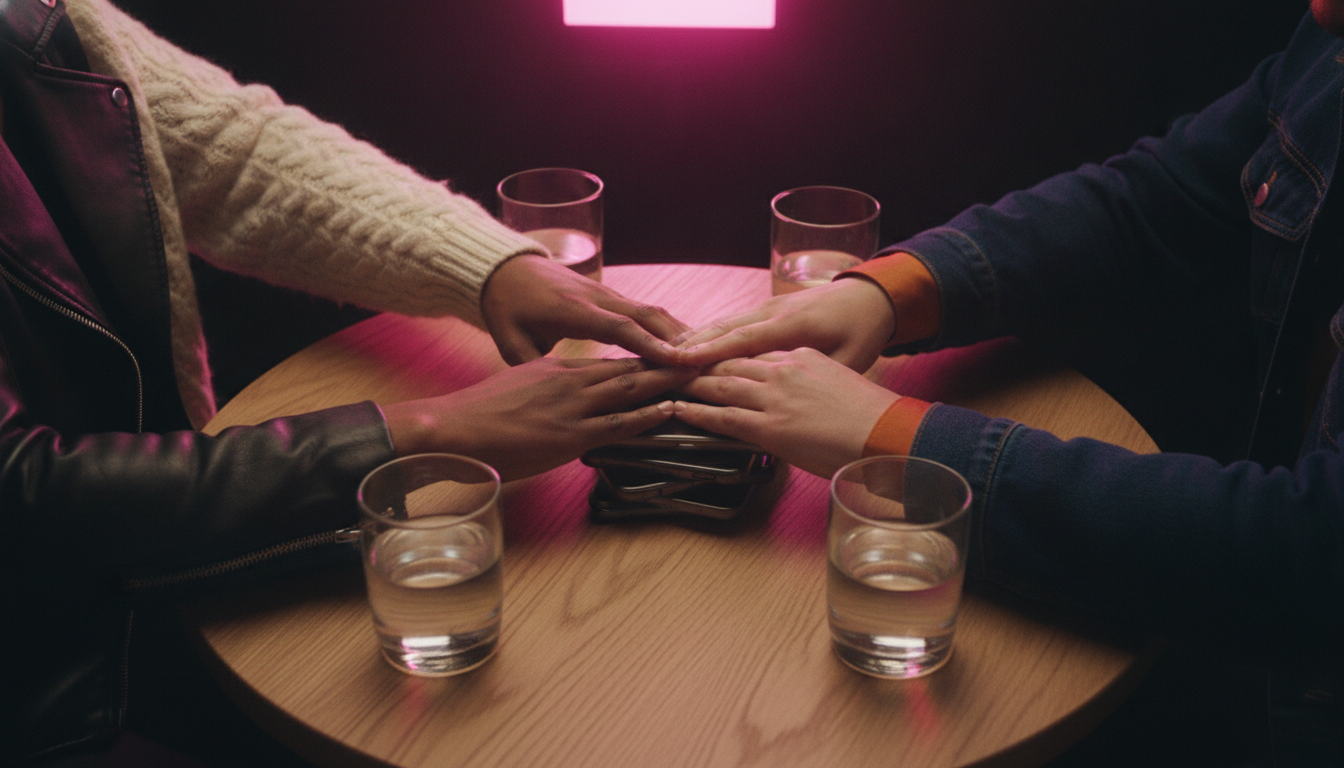
Anchors are pre-planned moments that give the party a clear next thing to look forward to, and they beat generic recovery every time. A cake, a shot round, a dance-off, a group photo, or a themed round of games all work as anchors when the timing sits between minute 70 and minute 85. Guests who see an anchor coming inside 20 minutes are 62 percent less likely to leave early, based on RSVP-app Partiful's 2024 host survey of 4,100 events.
The anchor should feel bigger than the average moment of the first hour. A cake alone beats no cake. A cake with sparklers and a group song beats a cake alone by a factor of 2 on the same retention metric. The specific ritual matters less than the fact that everyone in the room stops what they were doing and points attention at one shared thing for 90 to 180 seconds.
Build the anchor into the invite when you can. 'Cake at 10, shot round at 11' gives late arrivers a reason to show up on time and gives fading guests a reason to stay another 40 minutes. If you skipped the anchor at the invite stage, invent one at minute 65 and text the group thread so the anchor exists in writing before you announce it out loud. A live ShakeGasm leaderboard doubles as an anchor when the winner reveal is queued for a specific minute.
The party keeps going when the host acts like it is going, delivers one clean format switch, and points at the next anchor 15 to 20 minutes ahead.
What Not to Do When the Party Starts to Sag
Three moves make the dip worse, and hosts default to all three when they panic. Turning the music down further, opening more windows, and asking the group what to do next all read as surrender rather than reset. The music-down move drops perceived energy by 22 percent inside 90 seconds. Open-ended prompts push decision cost onto the room, which is the last thing a tired group will accept.
Skip the 'one more drink' push when the drink pace already slowed. Guests who declined the last refill are signaling readiness to slow down, not readiness to be pushed, and forcing another round costs you the goodwill you need for the next mechanic. Deliver water and a snack refresh instead, then queue the format switch behind it. A shift to icebreaker games for work adults style prompts fits mixed-familiarity rooms where alcohol is not the driver.
Do not announce that the party is dying. The self-fulfilling script activates within 4 minutes of a host asking the room if everyone is bored or if it is time to call it. The rescue lives in the next 15 minutes of concrete moves, not in a diagnostic conversation with the room.
Stop reading. Start shaking.
Five stages. One climax. Free in your browser, free on Android — voice packs optional.
Play ShakeGasm now