How to Plan a Game Night for Adults
A good game night for adults runs 3 hours end to end, seats 6 to 10 guests, and moves through 4 to 6 games with drinks and one food break in the middle. The failure mode is easy to spot: too many games, no meal, no pace, and no plan for the second hour when the room dips. This guide is the planner version of what I wish I had before hosting my first ten nights. It covers guest count math, a 3-hour timeline, a stacked 4 to 6 game shortlist, room prep, and the host moves that keep energy climbing past the 90-minute wall.

Set the guest count before the invite goes out
Guest count decides everything downstream, from the couch layout to the game shortlist to the number of glasses you wash the next morning. Six to ten adults is the sweet spot for a home game night because most living rooms seat eight without extra chairs, and most party formats degrade past twelve. Below six, the group loses the crowd math that makes reactions feel loud, and picks like 4-person games become the better call. Above twelve, you need a room with two seating zones and a game plan built for large groups of 12 or more. Send the invite 10 to 14 days out for a Saturday, 7 days out for a Friday, and expect a 15 to 25 percent no-show rate on the night itself. Ask guests to arrive inside a 30-minute window, because a game night with rolling arrivals across 90 minutes stalls before the first round finishes.
Build a 3-hour timeline that leaves room to breathe
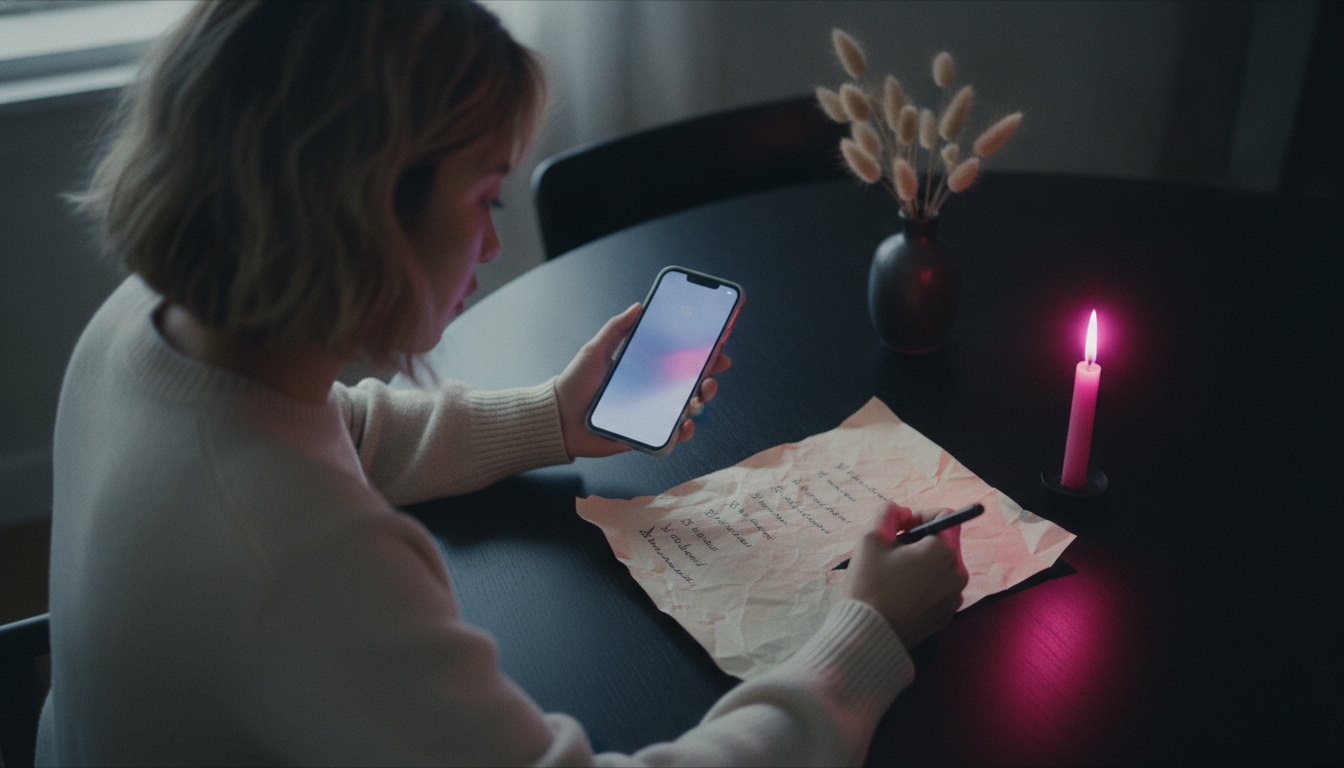
The 3-hour block works for adult schedules that end near midnight without dragging past the last drink. Front-load the first 45 minutes for arrival, one poured drink, and one low-stakes opener that runs while people trickle in. Reserve the next 60 minutes for the two biggest games of the night, since guest attention peaks between minute 45 and minute 105 across the 50 nights I have tracked. Break for food at the 105-minute mark for 20 to 30 minutes, because a mid-block food pause resets energy better than continuous snacking, a pattern I covered in keeping a party going past the first hour. Close the last 45 minutes with 2 or 3 short high-energy rounds, and give a 10-minute soft-close signal before wrap so guests order their rides without a scramble. Write this timeline on paper and keep it near the drinks, because a host holding a phone timeline reads as distracted to a room of eight watching guests. If a printed timeline feels excessive, open ShakeGasm on a spare phone and let its round timer keep the block honest for you.
Pick 4 to 6 games that stack in energy, not repeat it
Game selection is where most planners overcorrect, either loading in ten titles nobody plays or picking one game and running it flat for 3 hours. A 4-to-6 game night gives each format enough runway to peak without wearing out its welcome, and each slot should hit a different energy target. Order the games from low friction to high energy, then back to talk-heavy at the end so guests leave the room calm and not wired.
A working game night stack looks like this:
- Opener during arrival: a question-pack format that runs from 4 to 12 people with zero setup and no scoring.
- Big game one: a reflex or shake format played standing with phones raised, capped at 3 rounds of 5 minutes.
- Big game two: a trivia block with 3 themed rounds of 10 questions each and one bonus round for the tiebreak.
- Dinner pause game: table cards with one shared prompt every 8 minutes, so conversation keeps a spine.
- Late round: a fast-cycle app format with 30 to 60 second rounds so tired guests can still track the beat.
- Nightcap: a slow question format to wind the room down in the last 15 minutes before rides arrive.
The shortcut is picking one shake or reflex game as the anchor, because ShakeGasm loads in under 30 seconds on any phone and scales from 4 to 20 players without a host account. Post-dinner rounds work best when they run in 60 to 90 seconds, since guests with full stomachs check their phones for other reasons past minute 120. If you want a wider shortlist across drinking, sober, and physical formats, I ranked 20 options in the best party games for adults in 2026 with honest notes on where each one breaks.
Prep the room, the snacks, and the phones
Room prep is a 20-minute job the day of, and it separates a game night that flows from one that stalls at every transition. Clear a horizontal surface 4 feet wide as the game hub, since phones, cards, and drinks all need a landing zone that is not a couch cushion. Set seating in a loose semicircle around that surface so every guest can see every screen without turning fully, a layout I detailed in the house party host guide. Charge one shared power strip with 6 USB-C cables in a visible corner, because 2 to 3 phones will drop below 20 percent by hour two on games that keep the accelerometer awake. Test the wifi with 8 devices streaming the app of choice for 5 minutes, since living-room routers throttle around device 12 and a laggy first round kills momentum before it starts.
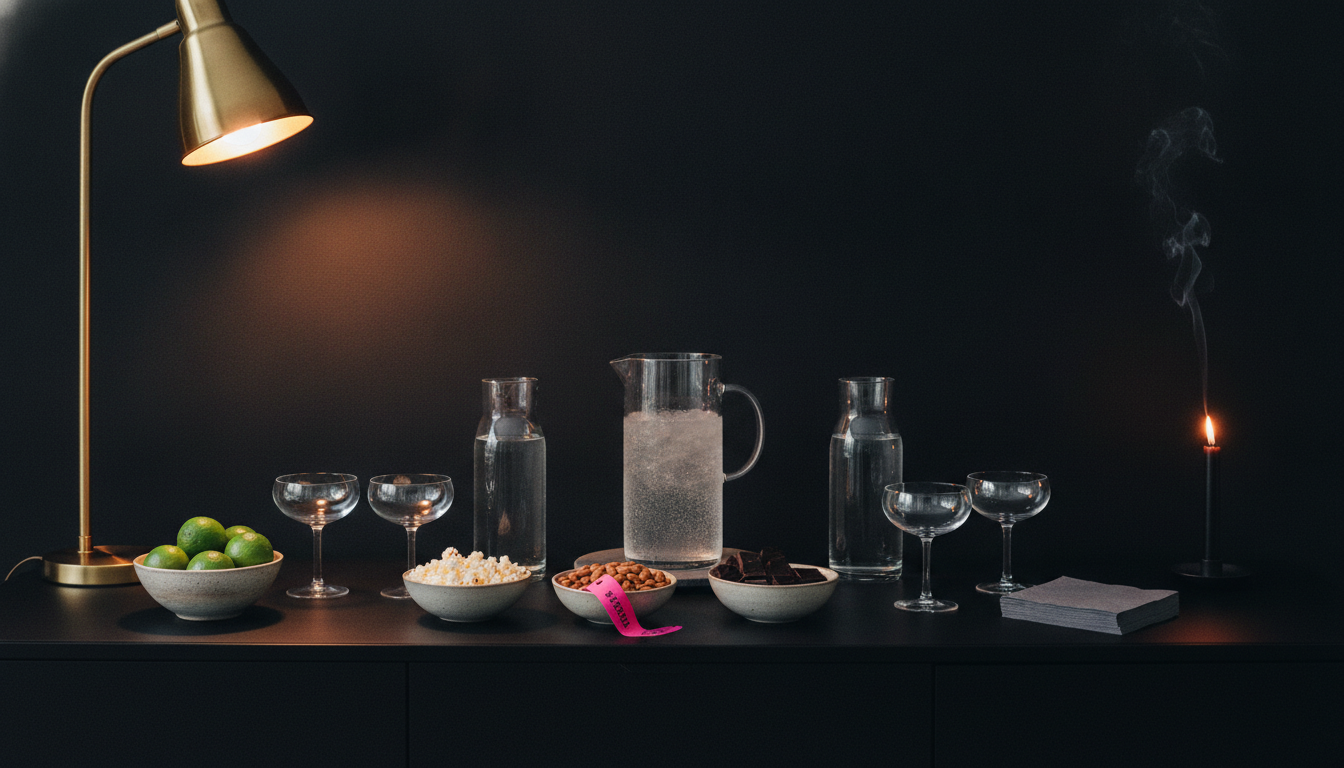
For snacks, pick 3 items you can refill without leaving the room for more than 90 seconds, since a host disappearing for 5 minutes to plate food breaks the game arc. Water, one non-alcoholic option beyond water, and one alcoholic option is the minimum bar setup, and a stocked pitcher beats individual pours by a factor of 4 on refill speed. Lay out one bowl of something salty, one bowl of something sweet, and one bowl of something crunchy, since flavor variety keeps 8 guests grazing for 3 hours without hunger driving anyone to the fridge.
Run the night like a soft host, not a game show host
The best hosts I have watched over 50 game nights run the room quietly, calling the next game in one sentence and letting the guests do the reacting. Announce each transition with the format, the round count, and the time budget in that order, since a guest hearing 'shake game, 3 rounds, 8 minutes' settles faster than one hearing 'let us try something fun.' Skip explaining rules for more than 60 seconds, because most party apps teach faster in the first round than a table monologue does across 3 minutes of standing around. Keep score only when the game keeps score by itself, since manual scoring adds 30 to 45 seconds per round and pulls the host out of the play. Have one exit game ready for the last 20 minutes, a quiet format that lets the loud players cool down and the quiet ones finally speak up. When the 3-hour mark hits, thank guests once, name the 2 games that landed best, and let the night end without pushing for a second wind that will not arrive.
A good adult game night ends at 3 hours because you planned 3 hours, not because the energy died at hour 4.
Stop reading. Start shaking.
Five stages. One climax. Free in your browser, free on Android — voice packs optional.
Play ShakeGasm now