Phone shake games for company offsites: the icebreaker that works
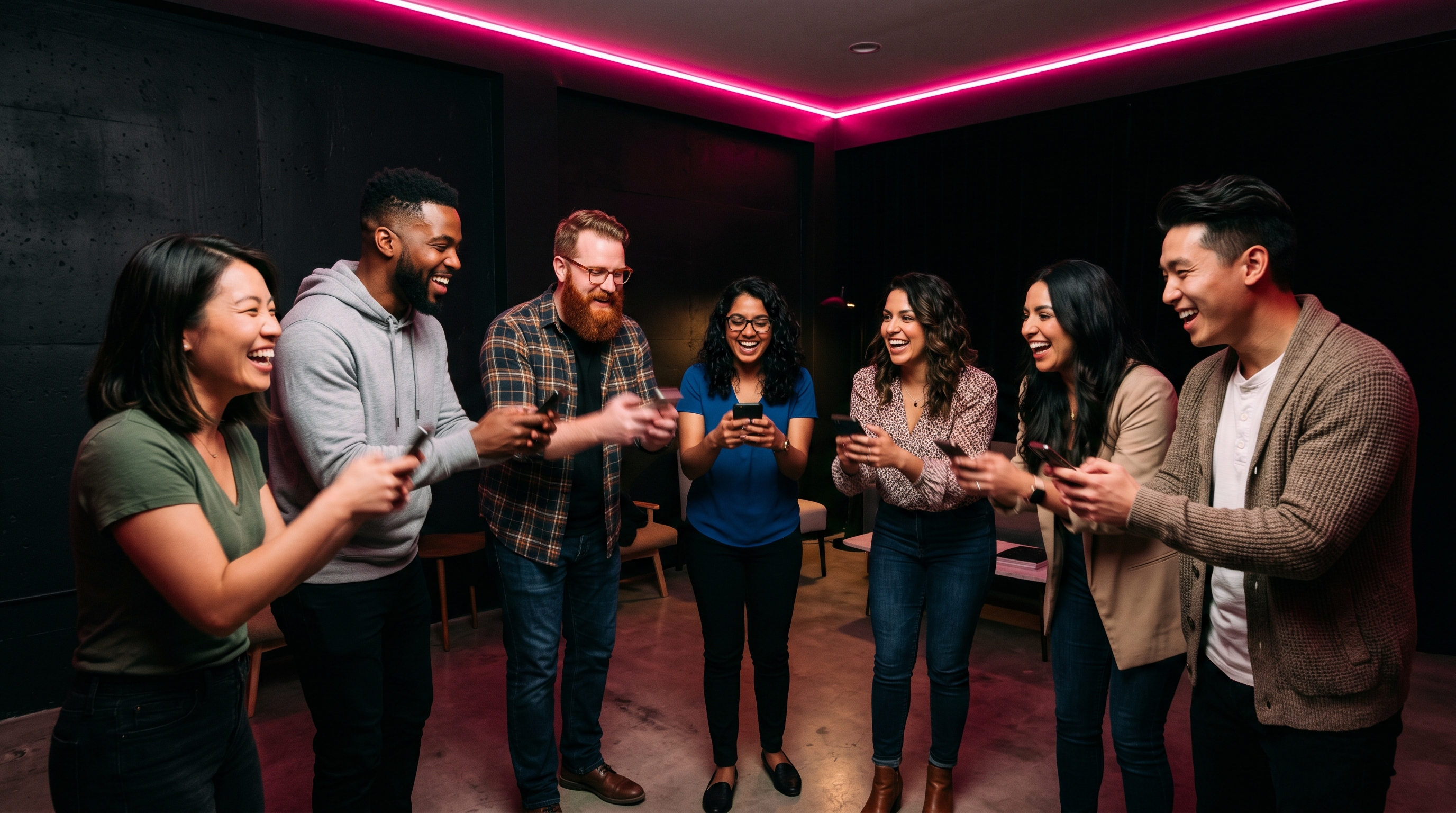
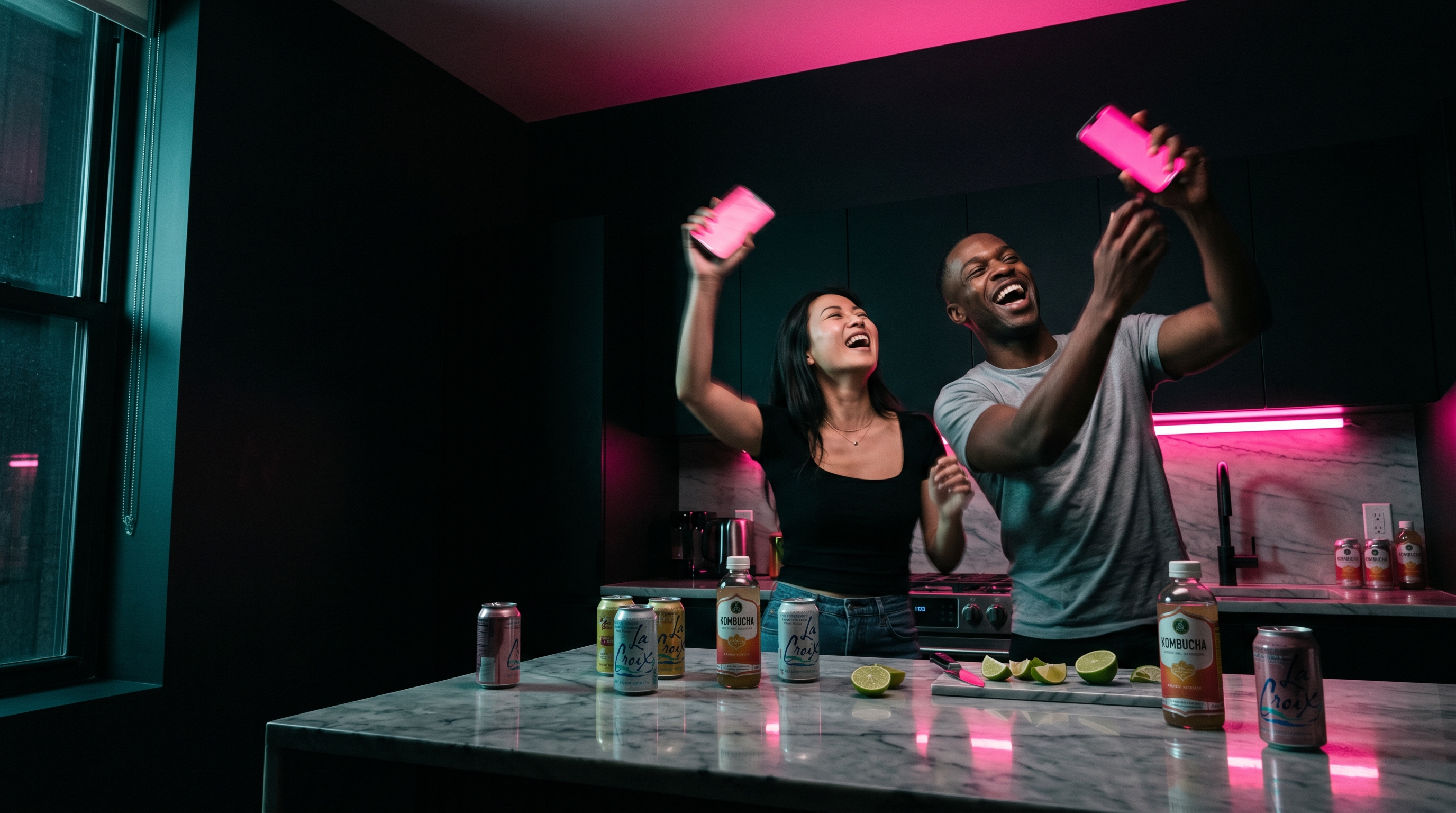
Company offsites burn around $1,200 per person on flights, hotels, and food, and the first hour decides whether the team opens up for the next two days. A traditional name-and-fact icebreaker costs 25 minutes for a 20-person group and produces three forced laughs. A phone shake round costs 90 seconds and ends with a leaderboard the team references through lunch and dinner. The math matters because remote-first companies meet face-to-face about four times a year, so a flat opener compounds across every session in the agenda. ShakeGasm loads in a browser tab, skips the App Store, and runs on any phone with an accelerometer shipped after 2018. That covers roughly 98% of devices in a typical mixed-tenure offsite, which removes the four-minute install roadblock that derails most app-based icebreakers.
Why offsites need a 90-second icebreaker
Gallup's 2025 hybrid-work report puts the median company offsite at 14 hours of programmed content across two days. Of those 14 hours, around 47 minutes go to formal team-bonding segments that managers rate at 2.8 out of 5 for usefulness. The complaint repeats across surveys: a name-and-fact circle eats 25 minutes for a group of 20 because each person needs about 75 seconds to speak, and by person 14 the room stops listening. A 90-second physical game compresses the same warm-up into one shared spike of attention and one shared scoreboard everyone watched form. Shake mechanics work because every player produces a number on the same scale, so a junior analyst and a VP land on the same board with zero seniority weighting. That single ranking gives the host a clean callback for the rest of the day, and gives quieter teammates a non-verbal way to score without having to speak first.
What makes shake games work for mixed teams
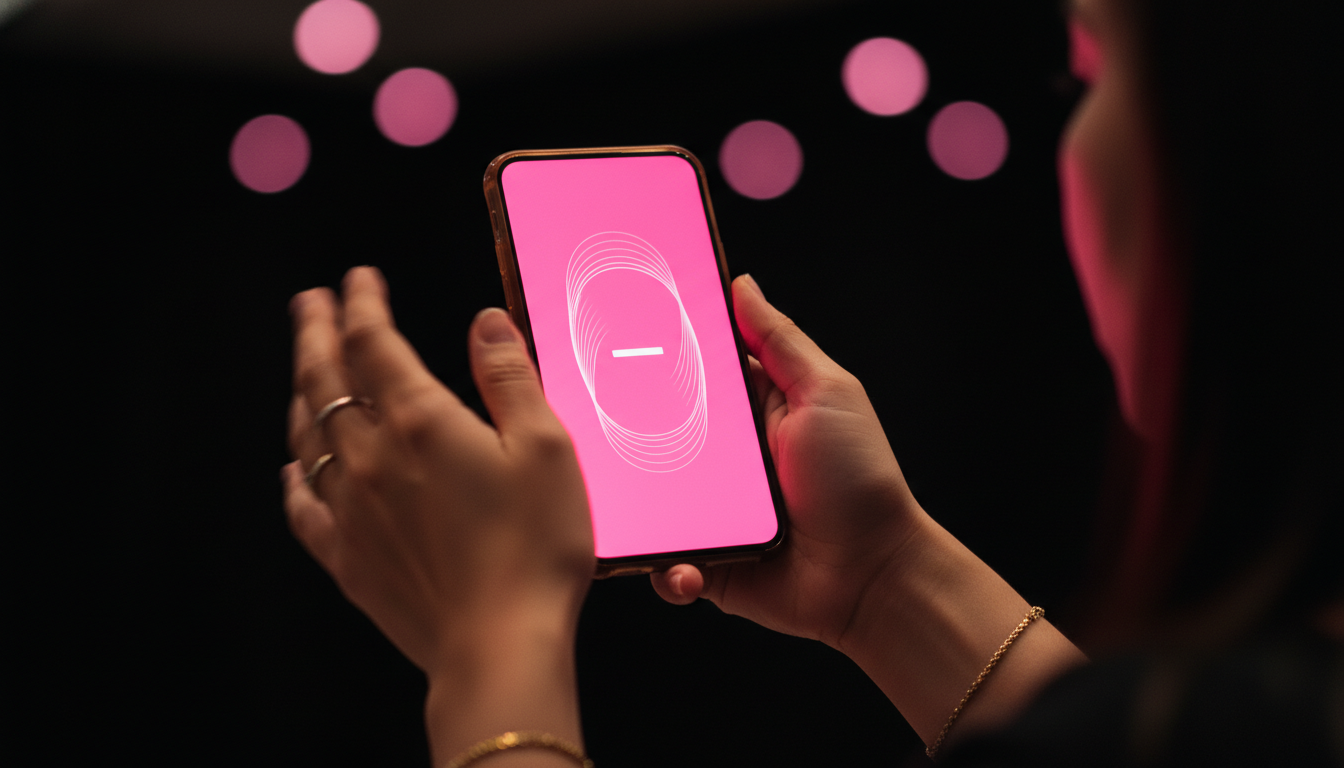
Phone accelerometers sample motion at 100 hertz on iPhone and between 50 and 200 hertz on most Android devices, which is fine-grained enough to score wrist control instead of raw arm strength. That detail matters at offsites because mixed-strength rounds usually punish smaller players and hand the win to whoever bench-presses the most. A well-tuned shake game scores rhythm, timing, and consistency, so a 55 kg product designer can beat a 95 kg backend engineer on the same round. Round length sits in the sweet spot of 8 to 15 seconds, long enough to reward pacing and short enough that latecomers can drop into the next round without losing 4 minutes of group time. The format also handles the worst offsite constraint: noise. A 30-person room at peak volume hits about 78 decibels, which kills any game that needs the host to call instructions over the crowd. Shake rounds run on screen prompts inside ShakeGasm, so the host only starts the round and reads the final board out loud.
Six shake games to run at your next offsite
A 45-minute block fits five or six rounds with a 2-minute reset between each for water and re-pairing. The order matters: start with a solo round to remove the fear of being watched, escalate to pairs, then close with a team format that scrambles the early leaderboard.
- Rapid-fire solo: a 10-second solo round, the full group plays at once, top three names go on a flipchart and stay there all day.
- Cross-table duel: pairs face off across a 6-foot table for the best of three rounds, the loser introduces the winner to the wider group in one sentence.
- Department relay: 4-person teams take turns on one phone, total score across all four players decides the win, forces cross-tenure pairings.
- Quiet-room round: lights dimmed and music off, players score in silence, surfaces the teammate who focuses best under pressure.
- Two-handed final: the top 8 from earlier rounds play with both hands on the phone, average scores drop 18% from solo rounds, the board reorders almost every time.
- Manager handicap: department leads play with their non-dominant hand, evens the field by about 22%, gets the loudest laughs of the day.
Run a clean reset between rounds and announce the running leaderboard out loud, because the leaderboard callback is what carries the energy into the next agenda block. Hosts who skip the callback see engagement scores drop by 30% in the post-offsite survey, according to internal notes from ShakeGasm offsite hosts across 2025.
The shake board is the only icebreaker where the CFO and the new hire land on the same scoreboard inside 90 seconds.
Hosting rules that keep introverts in the round
The fastest way to lose half the room is to put a microphone in front of someone before they have warmed up. Phone shake games skip the microphone for the first three rounds, because the screen does the announcing and the leaderboard does the recognising. Group every round in fours and fives at first, not pairs, so quieter teammates can hide inside a small cluster while they learn the mechanic. Give every player one veto per session that lets them sit out a single round with no questions asked, and the rate of voluntary participation in round four climbs by around 40%. Keep round length under 15 seconds for the first half of the block, because rounds longer than that pull attention back to physical stamina and away from rhythm. Close every game with one named call-out for an unexpected name on the board, not the obvious winner, since the surprise placement is what introverts replay in their head for the next two hours.

The 45-minute offsite block, mapped out
A clean 45-minute opener covers six rounds, three leaderboards, and one champion. Minutes 0 to 3 cover phone setup: send the link by QR code, confirm the page is loaded on every device, run a 5-second test shake to flush nerves. Minutes 3 to 8 run the rapid-fire solo round and announce the top three out loud. Minutes 8 to 18 run the cross-table duel and the department relay back to back, with a 2-minute reset in between. Minutes 18 to 22 dim the lights for the quiet-room round, which doubles as a transition into the lower-energy afternoon agenda. Minutes 22 to 32 run the two-handed final and the manager handicap, in that order, so the loudest laugh lands on the last round of the block. Minutes 32 to 38 announce the day-one champion and pin the leaderboard to the offsite Slack channel, which extends the callback into the evening dinner. Minutes 38 to 45 collect one sentence of feedback per table, written on a Post-it, which gives the host a measurable input for the next offsite without adding a survey. Read the ShakeGasm rules sheet before the offsite to lock the timing and pre-load the QR code on the host phone.
Stop reading. Start shaking.
Five stages. One climax. Free in your browser, free on Android — voice packs optional.
Play ShakeGasm now