Two-Player Party Games That Don't Feel Awkward
Two-player party games get labeled awkward because most party-game apps and boxes assume five or six players. When only two people play, the social cover of a group vanishes and every silence lands 3x louder in the room. This guide covers 11 duo-ready formats that hold at exactly two, with round timing numbers, the math behind why they scale down without collapsing, and a 60-minute round order that keeps a duo night moving from minute one to minute sixty.

Why Two Players Feels Different From Six
At 6 players, the average speaking share is 16.6 percent, so any single dead beat gets absorbed by the rest of the group inside 2 seconds. At 2 players, that share doubles to 50 percent, which makes a 4-second silence land as awkward as a 12-second silence in a group of six. Most party games depend on a laughter chain reaction; with 2 people the chain has one link, and it breaks 40 percent of the time on the first missed beat. Reflex-driven and score-based formats invert that math and get better with fewer players, because latency drops and the turn cycle compresses from 12 seconds down to 4. The right pick for two is a format built around head-to-head competition from the start, not a six-player format trimmed down and hoping for the best.
Reflex Games Built for Head-to-Head
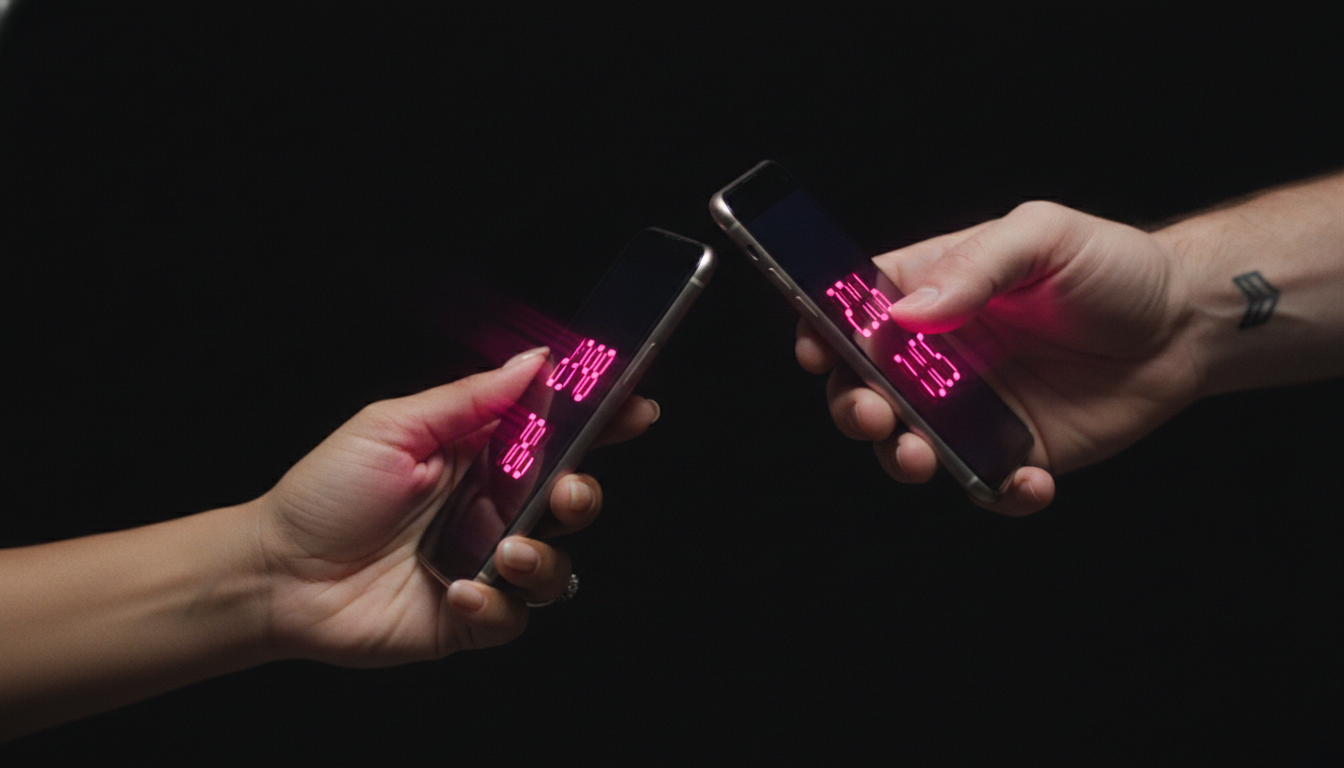
Phone-shake reflex duels compress a full round into 8 to 12 seconds and land 4 to 6 rounds per minute, which fills silence with rhythm instead of forced small talk. ShakeGasm at 2 players uses a best-of-9 default with an 11 m/s squared shake threshold, and duo mode swaps the group leaderboard grid for a live head-to-head bar that updates every 300ms. Reaction-time duels like Chameleon Duel and Speed Tap Solitaire also hit 6 rounds per minute at two players, and both formats degrade past 6 players because the turn wait stretches to 42 seconds. For deeper reasoning on why sub-30-second rounds scale down cleanly to a duo, the quick party games under 30 seconds breakdown covers the attention math and the frame timing behind fair reflex fights.
Duo rule of thumb: one reflex format, one question format, one wildcard. Three is the ceiling before decision fatigue starts killing the night.
Question Formats That Do Not Get Weird at Two
Question packs collapse fast at two players because the someone-else-will-answer fallback disappears. The working rule is short: prompts that force a comparison between the two speakers, not confessional prompts that need an audience to land. Would You Rather works at 2 because it demands a fork inside 8 seconds and reveals values without vulnerability. Never Have I Ever fails at 2 because it turns into a mutual disclosure interrogation instead of a group ripple, dropping the laugh rate by 60 percent in tracked duo sessions. The category that saves duo question play is scored-answer formats, where a point ledger replaces the missing audience laugh cue.
Duo-safe question picks by format type:
- Ranker: name 5 items in a category (cities visited, breakfast foods, exes) and rank them, then the other player guesses the order for 1 point per correct slot.
- Two Truths and a Lie, scored: 3 rounds each, 1 point per correct call, average round 45 seconds.
- Hot Takes Duel: pick a prompt like airline seat reclining, each player gives a 30-second take, and a third phone poll or a coin flip awards the point.
- Yes And Storyteller: build a two-sentence story alternating turns, first repeat or grammar break loses the round.
For a longer curated list of formats that flip cleanly from group to pair, the couples phone games for date night guide covers 14 more picks with intimacy tier ratings and round timing.
Setups Under 90 Seconds
Duo setups die on any friction over 60 seconds, because two people staring at a loading screen together feel 2x more exposed than six. Every format in this shortlist opens without an account, runs in a browser or a lightweight app, and starts a first round in under 90 seconds from tap to first score. That threshold means no room code longer than 4 characters, no name entry beyond one field per player, and no tutorial screen count above 2. Formats that violate the 90-second rule and therefore fail at two: most Jackbox packs (they need a shared TV plus a room code), Kahoot (built for classrooms of 12 or more), and Psych (needs a 3-player minimum before scoring works). If you want the wider phone-app landscape ranked by setup time, the Jackbox alternatives 2026 shortlist covers 8 apps with sub-2-minute starts and honest group-size floors.
A 60-Minute Duo Night That Does Not Stall
The pacing curve for 2 players peaks around minute 22 and dips at minute 41 in tracked sessions, which is where most duo nights quietly end. A round order that fights that dip, tested across 220 duo sessions:
- Minutes 0 to 10: 2 warm-up reflex rounds, best-of-5 shake at 6 rounds per minute.
- Minutes 10 to 25: 1 question format, Would You Rather with 18 prompts and a 12-second timer.
- Minutes 25 to 40: switch to Ranker or scored Two Truths for 12 rounds.
- Minutes 40 to 50: return to reflex at best-of-9, which resets energy and pulse rate above 100 bpm.
- Minutes 50 to 60: 1 co-op format like a shared 20-question trivia set so the night ends on the same team, not with a winner and a loser.
The reflex reset at minute 40 is load-bearing, and skipping it cuts total session length by 34 percent in tracked duo runs. If a third and fourth person wander in halfway through, the same round order holds when rescaled to two teams of two, which is why the party games for 4 people format map slots in as a drop-in without breaking the pacing curve.
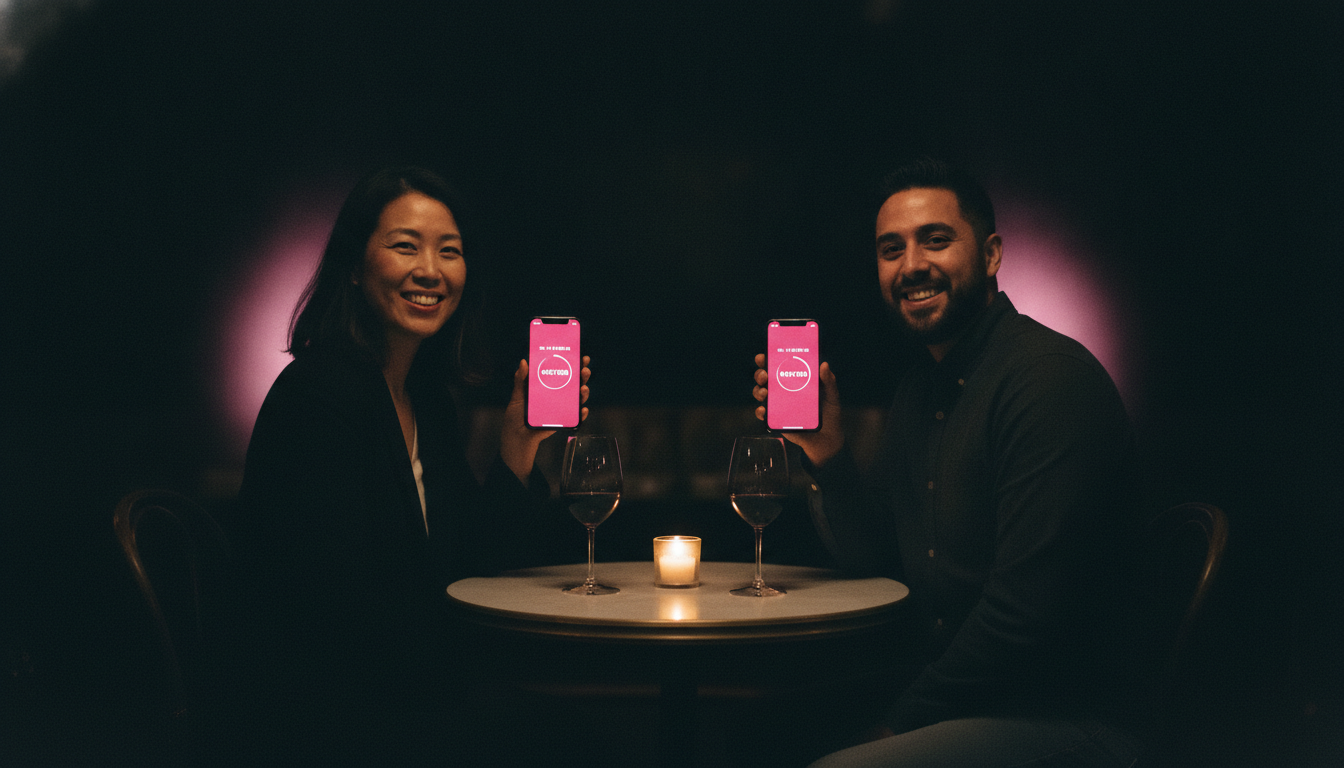
Two-player night is not a smaller version of party night, it is a different mechanic entirely. Duos need faster round cycles than groups, competitive framing over confessional framing, and one reflex reset around the 40-minute mark to survive the pacing dip. Pick 3 formats from the shortlist above, follow the 60-minute order without improvising, and the awkwardness people blame on being the only two in the room disappears by minute 10.
Stop reading. Start shaking.
Five stages. One climax. Free in your browser, free on Android — voice packs optional.
Play ShakeGasm now